
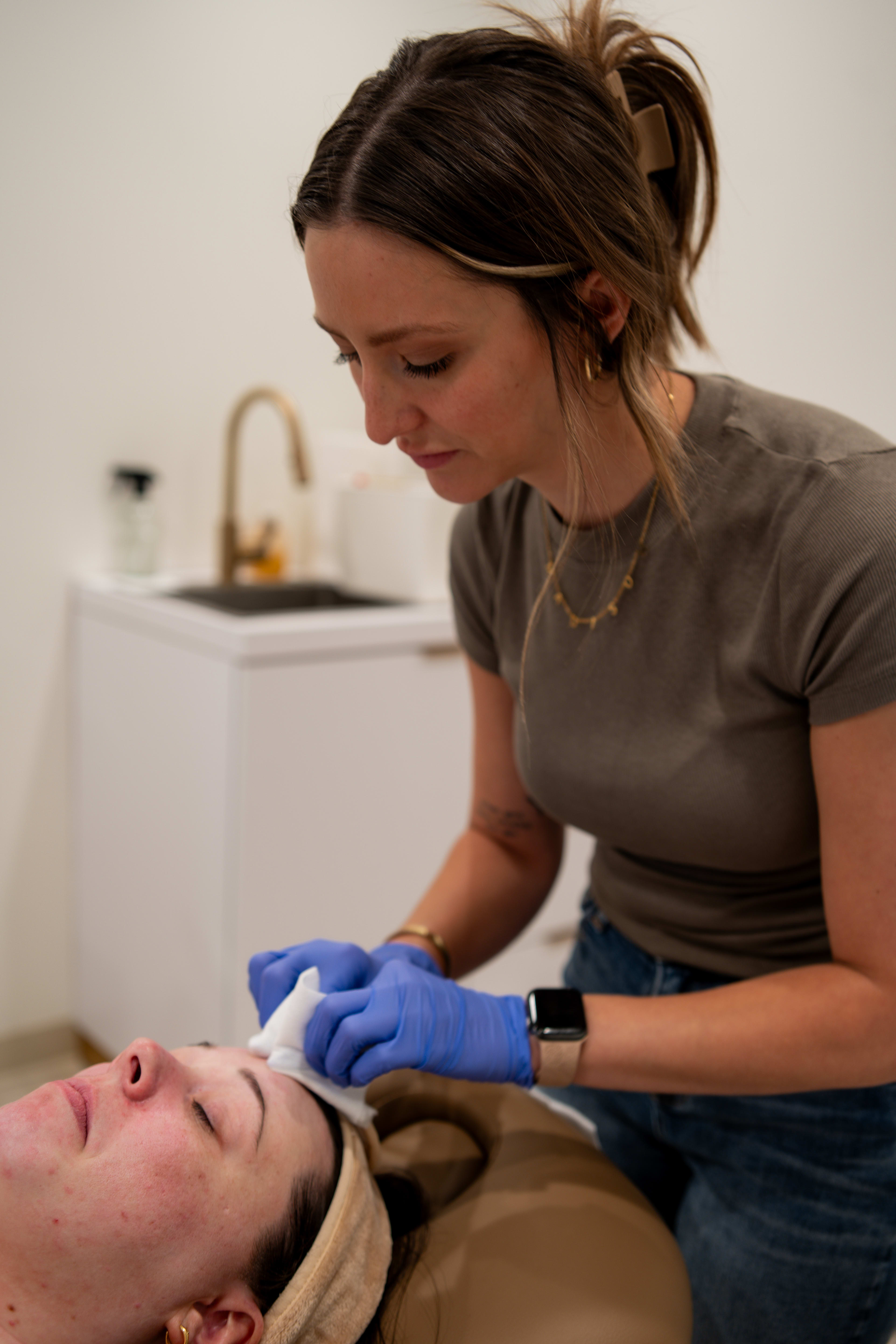
The Short Answer
- Microneedling uses fine, sterile needles to create thousands of controlled micro-channels in the skin, triggering your body's own repair response — new collagen and elastin that can gradually remodel acne scar tissue from within.
- It tends to work best on the shallow, soft-edged scar types (rolling and boxcar scars) and on overall texture; deep, narrow ice-pick scars usually need a combination plan.
- A topical numbing cream is applied first, so most patients describe the treatment as odd-feeling rather than painful.
- Expect your skin to look flushed for one to two days, similar to a mild sunburn, with most people back to their normal routine quickly.
- Acne scar improvement is cumulative: a series of sessions is typically recommended, and collagen keeps building for months after each one. Individual results vary.
A consultation at our Plano med spa gets you an honest assessment of your scar type and a plan built around your skin.
Book a Free ConsultationWhy Microneedling Works on Acne Scars
Acne scars are not a surface stain — they're a structural problem. When a deep breakout damages the skin, the body patches the area quickly with disorganized, tethered collagen instead of the neat lattice healthy skin is built on. That patchwork is what you see as a rolling shadow or a sharp-edged depression, and it's why creams that work on the surface rarely change it.
Microneedling — clinically known as collagen induction therapy — goes after the structure itself. The device creates thousands of precise micro-channels through the scarred tissue, which the body reads as a signal to rebuild. Fibroblast cells move in, break down some of the old, disorganized scar collagen, and lay down fresh collagen and elastin in a more orderly pattern. Repeated over a series of sessions, that remodeling can soften the scar's edges, lift depressed areas, and smooth the surrounding texture.
At Aesthetic Collective in Plano, microneedling depth and intensity are customized to your skin and your scars — scarred tissue on the cheeks is treated differently than fine lines on the forehead. You can read the clinical overview on our microneedling treatment page, or keep reading for what a first appointment actually involves.
Which Acne Scars Respond Best?
- Rolling scars — broad, soft-edged depressions that cast shadows in side lighting. Often the best responders, since remodeling the tethered collagen underneath lets the surface sit more evenly.
- Boxcar scars — wider depressions with more defined edges. These can improve over a series as new collagen fills in from below.
- Post-acne texture and enlarged pores — the overall unevenness left behind even without distinct scars; microneedling may refine both.
- Ice-pick scars — deep, narrow pits. These are the most stubborn type and often call for a combination approach, which is exactly what a consultation sorts out.
One important note: active, inflamed breakouts need to be calmed before microneedling, not treated through. If you're still battling active acne, that becomes step one of the plan.
Does Microneedling Hurt?
This is the question most first-timers actually want answered, so here's the honest version: not the way people fear. A topical numbing cream is applied and given time to take effect before the treatment starts. Once your skin is numb, most patients describe the sensation as a light vibration or fine sandpaper moving across the skin — strange, but very manageable. Bonier areas like the forehead and jawline tend to be the most noticeable.
Afterward, your skin may feel warm and tight for a few hours, like a day at the lake without sunscreen. That's the repair response you came for, already underway.
Your First Session, Step by Step
- Consultation and skin assessment — your provider evaluates your scar types, skin tone, and history, and maps out a realistic series plan before anything is booked.
- Numbing — a topical anesthetic cream is applied and left to work while you relax.
- Treatment — the microneedling device is passed over the treatment area at depths chosen for each zone. A full-face session is typically finished within the hour, including numbing time.
- Aftercare — you'll leave with simple instructions: gentle cleanser, hydration, no makeup for the first day, and diligent sunscreen while your skin recovers.
How Long Does Microneedling Take to Heal?
Plan on looking flushed — similar to a mild sunburn — for one to two days, sometimes with light flaking or dryness on day two or three as the surface renews. Most patients are back to their normal routine almost immediately and back in makeup within a day or so, which makes microneedling one of the easier medical treatments to fit into a busy week. Healing time can run slightly longer when treatments are more intensive, which your provider will flag up front.
Scar type, skin tone, and depth all change the right approach. Come in and we'll map yours honestly.
Book Your Microneedling ConsultHow Often Can You Do Microneedling?
Collagen remodeling needs time between sessions, so treatments are typically spaced about four to six weeks apart. For acne scarring, most plans involve a series of sessions rather than a single visit — scar tissue that took years to form doesn't reorganize in one appointment. Your provider will recommend a series length based on how your skin responds, then periodic maintenance if it's useful.
Fall and winter are a practical time to run a series in North Texas: collagen rebuilds while your skin isn't fighting daily sun exposure, and sun protection — non-negotiable after any collagen treatment — is easier to maintain.
How Long to See Results from Microneedling?
Many patients notice a healthy, hydrated look within the first week as the surface renews. The scar improvement itself arrives on collagen's schedule, not the calendar's: new collagen continues organizing for roughly three months after each session, so the clearest before-and-after comparison is a photo taken before your first treatment next to one taken a few months after your series ends. As with any aesthetic treatment, results vary from person to person.
That slower timeline has an upside — the change reads as your skin gradually looking smoother and healthier, not as an overnight event people can point to.
Microneedling vs. Chemical Peels for Acne Scars
Both treatments improve texture, but they work at different depths and solve slightly different problems:
| Treatment | How It Works | Best For |
|---|---|---|
| Microneedling | Micro-channels trigger collagen and elastin remodeling from within the dermis. | Depressed acne scars, texture, enlarged pores, fine lines. |
| Chemical peel | A clinical-strength solution exfoliates the outer layers of skin. | Surface discoloration, post-acne dark marks, dullness, mild texture. |
The practical takeaway: if your main complaint is the dark or red marks acne left behind, a chemical peel may be the faster route. If the problem is the dents and shadows — the structure — microneedling addresses what a peel can't reach. Many patients at our Plano location, and plenty who drive in from McKinney, end up with a plan that sequences both.
Why Where You Get It Matters
Microneedling results depend heavily on needle depth, technique, and judgment — treating acne scars effectively means working at depths that belong in a medical setting, not from a cosmetic roller at home. Home rollers sit at the surface and mostly create irritation and infection risk; medical microneedling reaches the dermis, where scar remodeling actually happens.
Aesthetic Collective is a nurse-led med spa, and every microneedling plan starts with a medical assessment of your skin rather than a preset package. If microneedling isn't the right tool for your scar type, you'll hear that at the consultation — along with what we'd recommend instead from our full range of services.
Frequently Asked Questions
Smoother Skin Starts With an Honest Look
Acne scars are personal — the pattern, depth, and skin tone around them are different on every face, which is why generic advice only gets you so far. The useful next step is having a qualified provider actually look at your skin and tell you what microneedling can realistically do for it.
Book a consultation at our Plano med spa and we'll assess your scars honestly — including whether a different tool fits better. If firmness is part of what you're after, it's worth reading our guide to SkinTyte skin tightening too, since the two treatments solve neighboring problems and pair well.
No preset packages — just a clear answer on what your skin needs and what it doesn't.
Book Your Consultation
